How Dirty Air Ducts in Deerfield Homes Worsen Allergies and Asthma
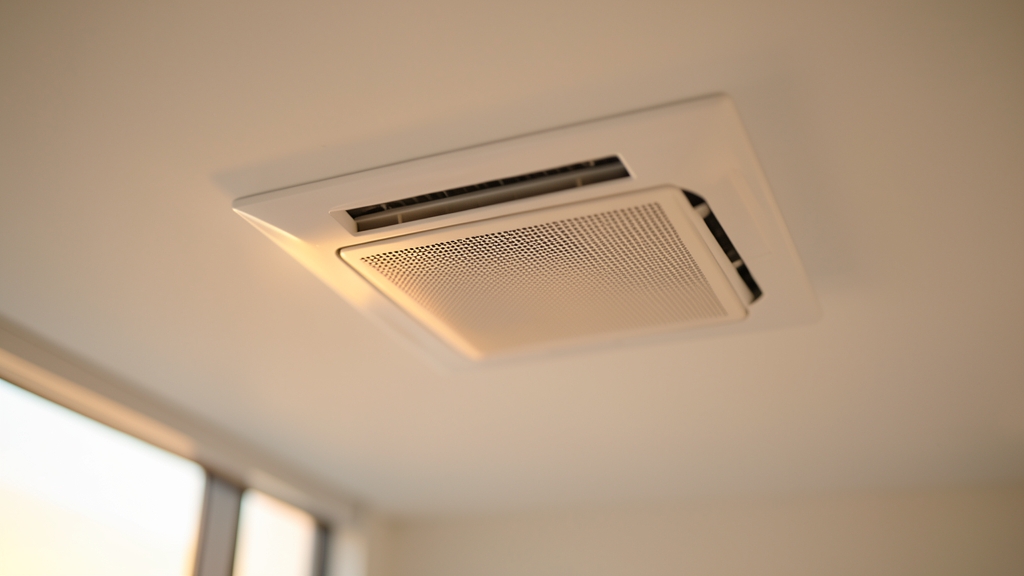
If you or your family struggle with allergies or asthma, your home’s air ducts might be part of the problem. Dirty ductwork circulates allergens and irritants throughout Deerfield homes, especially during long winters and humid summers when HVAC systems run constantly.
Why Deerfield Homes Are Prone to Duct Contamination
Our climate—cold, snowy winters followed by hot, humid summers—forces HVAC systems to work overtime. This constant airflow pulls in dust, pollen, and outdoor pollutants, which settle and accumulate in your ductwork over time.
Older homes in neighborhoods like Riverwoods or Bannockburn often have aging duct systems with gaps or poor seals, making them even more susceptible to contamination. Newer builds aren’t immune, either; construction dust can linger in ducts long after move-in.
The Direct Link Between Dirty Ducts and Respiratory Issues
Every time your furnace or AC kicks on, it pushes air through ducts coated with dust, pet dander, and mold spores. For allergy and asthma sufferers, this means constant exposure to triggers that inflame airways.
Mold is a major concern in our area. High humidity in summer can promote mold growth inside ducts, releasing spores that worsen symptoms. Even if you can’t see it, microscopic particles circulate every time the system runs.
If you notice a musty smell when the HVAC turns on, mold may already be growing in your ducts. This requires professional inspection and treatment, not just cleaning.
Common Allergens Found in Deerfield Air Ducts
Dust mites thrive in ductwork, feeding on skin cells and multiplying rapidly. Their waste is a potent allergen that triggers sneezing, itching, and congestion.
Pollen from local trees and grasses—like oak, ragweed, or timothy—gets pulled into your home and trapped in ducts. Even with windows closed, your HVAC can redistribute these particles year-round.
Pet dander and insect debris (from pests like dust mites or even the occasional spider) also collect in ducts. These are particularly problematic for asthma sufferers, as they can cause severe respiratory reactions.
| Contaminant | Source | Health Impact |
|---|---|---|
| Dust mites | Human skin cells, humidity | Allergic rhinitis, asthma attacks |
| Pollen | Outdoor air, open windows | Seasonal allergies, sinusitis |
| Mold spores | Moisture in ducts, flooding | Respiratory infections, chronic cough |
| Pet dander | Shedding fur/skin | Asthma, allergic reactions |
| Bacteria/Viruses | Stagnant air, poor filtration | Infections, immune responses |
Signs Your Ducts Are Affecting Your Health
Unexplained allergy or asthma flare-ups at home—but not elsewhere—are a red flag. If symptoms improve when you’re away, your ducts may be the culprit.
Visible dust blowing from vents, or dark streaks around registers, signals heavy contamination. In severe cases, you might even see mold growth near duct openings.
Increased dusting needs, musty odors, or inconsistent airflow are other clues. These issues often coincide with worsening respiratory health, especially in children or the elderly.
How Professional Air Duct Cleaning Helps
We use high-powered vacuums and specialized brushes to dislodge and remove years of buildup from your entire duct system. This isn’t a DIY job—household vacuums can’t reach deep into the network or handle fine particles safely.
Cleaning also improves HVAC efficiency. When ducts are clogged, your system works harder, increasing energy costs and shortening its lifespan. In Deerfield’s extreme seasons, this can add up quickly.
For best results, combine duct cleaning with HVAC coil cleaning and dryer vent cleaning. Dirty coils reduce efficiency, while clogged dryer vents pose fire risks.
Beyond Cleaning: Long-Term Solutions for Cleaner Air
Upgrading to high-MERV air filters (rated 11-13) captures smaller particles, but check compatibility with your HVAC system—some older units can’t handle high-resistance filters.
UV light sanitization systems installed in your ductwork can kill mold, bacteria, and viruses on contact. These are especially useful in humid climates like ours.
Regular maintenance is key. We recommend duct inspections every 2-3 years, or more often if you have pets, allergies, or recent renovations. Air filter replacement should happen every 1-3 months, depending on usage.
Indoor Air Quality Boosters
- Schedule annual HVAC maintenance, including coil cleaning
- Use a dehumidifier in summer to reduce mold risk
- Seal duct leaks to prevent contaminant entry
- Consider an air purifier with HEPA filtration for high-traffic rooms
- Vacuum and dust your home regularly with a HEPA-filter vacuum
What to Expect During a Professional Duct Cleaning
We start with a thorough inspection using cameras to assess contamination levels and identify problem areas like mold or pest infestations. This step ensures we target the right solutions.
Our team seals off supply and return vents to create negative pressure, preventing debris from escaping into your home. Then, we use rotating brushes and air whips to break up buildup before vacuuming it away with a truck-mounted system.
The process typically takes 2-4 hours for an average home, depending on system size and contamination severity. We’ll also check for damage or leaks that need repair.
When to Consider Additional Services
If our inspection reveals mold, we’ll recommend mold and mildew duct treatment to sanitize the system and prevent regrowth. This is critical for homes with asthma sufferers.
For commercial properties in areas like Highland Park or Lake Forest, we offer commercial duct cleaning tailored to larger systems and stricter air quality standards.
Indoor air quality testing can pinpoint specific pollutants in your home. This is useful if allergies persist after cleaning, or if you suspect other issues like radon or volatile organic compounds (VOCs).
How to Reduce Allergens Between Professional Cleanings
While professional cleaning is essential, these steps help maintain cleaner air in your Deerfield home.
- 1Upgrade Your Air Filter
Switch to a pleated filter with a MERV rating of 11-13. Replace it every 1-3 months, or more often if you have pets or allergies.
- 2Use a Dehumidifier
Keep indoor humidity below 50% to discourage dust mites and mold growth. This is especially important during our humid summers.
- 3Seal Duct Leaks
Inspect visible ductwork for gaps or disconnected sections. Use mastic sealant or metal tape (not duct tape) to seal leaks, preventing contaminants from entering.
- 4Vacuum Regularly
Use a vacuum with a HEPA filter to reduce dust and dander in your home. Focus on areas near vents and registers.
- 5Control Outdoor Pollutants
Keep windows closed during high-pollen days. Use doormats to trap dirt and pollen, and remove shoes at the door to prevent tracking contaminants inside.
Frequently Asked Questions
Can dirty air ducts really make my allergies worse?
Absolutely. Dirty ducts circulate dust, pollen, pet dander, and mold spores—all common allergens—throughout your home every time the HVAC runs. This constant exposure can trigger or worsen allergy and asthma symptoms, especially in sensitive individuals.
How often should I have my air ducts cleaned in Deerfield?
We recommend professional cleaning every 2-3 years for most homes. However, if you have pets, allergies, or recent renovations, you may need it more frequently. Homes in older neighborhoods or those with high humidity may also benefit from more regular service.
Will cleaning my air ducts improve my HVAC system’s efficiency?
Yes. Clogged ducts force your HVAC to work harder to maintain airflow, increasing energy consumption and wear on the system. Clean ducts allow for better airflow, improving efficiency and potentially lowering your utility bills.
What’s the difference between air duct cleaning and HVAC coil cleaning?
Air duct cleaning focuses on removing contaminants from the ductwork itself. HVAC coil cleaning targets the evaporator and condenser coils, which can also accumulate dirt and reduce efficiency. Both services complement each other for optimal system performance and air quality.
Is mold in air ducts common in Deerfield homes?
It can be, especially in older homes or those with poor ventilation. Our humid summers create ideal conditions for mold growth in ducts. If you notice a musty smell or see mold near vents, it’s important to address it promptly with professional cleaning and treatment.
Do you serve areas near Deerfield, like Northbrook or Lake Forest?
Yes, we provide air duct cleaning and related services to Deerfield and surrounding communities, including Northbrook, Highland Park, Riverwoods, Bannockburn, and Lake Forest. Local climate and housing styles mean we’re well-versed in the unique challenges of this area.