Why Families with Young Children Need Clean Air Ducts in Deerfield
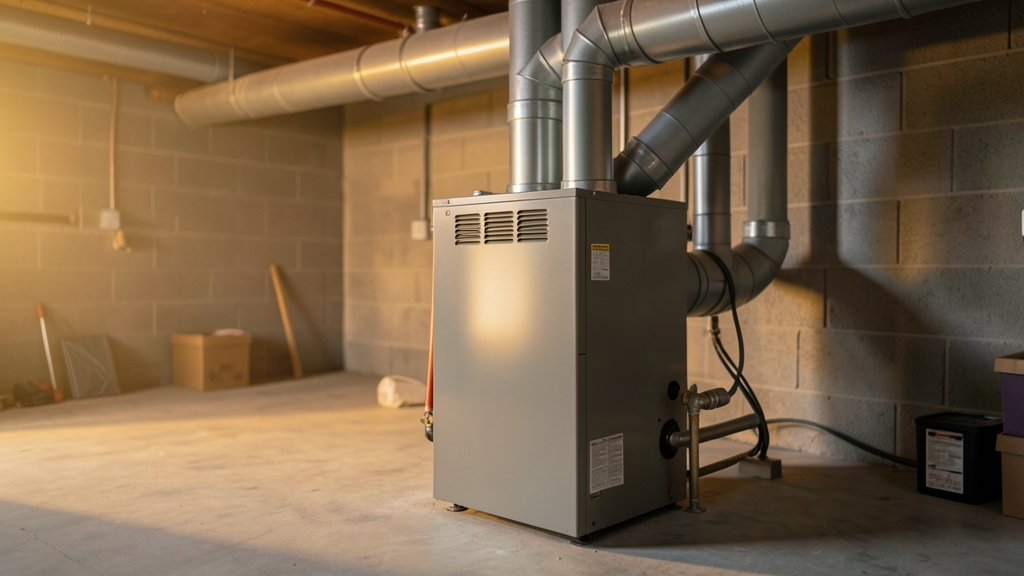
Young children breathe faster and inhale more air per pound of body weight than adults, making indoor air quality a top priority. In homes across Deerfield, hidden contaminants in ductwork can circulate allergens, dust, and even mold spores directly into living spaces. We’ve seen firsthand how clean air ducts transform family health and HVAC performance.
How Dirty Ducts Affect Children’s Health
Kids under 12 are more vulnerable to airborne irritants because their immune and respiratory systems are still developing. Dust mites, pet dander, and pollen trapped in ducts can trigger allergies, asthma flare-ups, and persistent coughs.
In Deerfield’s humid summers, moisture in ductwork can also foster mold growth. Even low levels of mold spores circulating through vents may cause headaches, fatigue, or skin irritation in sensitive children.
Our area’s seasonal humidity spikes mean ducts need regular inspection. If you notice musty odors or visible mold near vents, act quickly—spores spread fast.
Common Contaminants Hiding in Deerfield Ductwork
Everyday life fills ducts with debris: cooking grease, tobacco smoke residue, and even rodent droppings in older homes. These particles recirculate every time the furnace or AC kicks on.
Construction dust from nearby renovations in Highland Park or Northbrook can also migrate into your system. Fine particulate matter (PM2.5) from outdoor pollution settles into duct linings, reducing airflow and air quality.
| Contaminant | Source | Health Impact |
|---|---|---|
| Dust mites | Dead skin cells, fabric fibers | Allergies, eczema |
| Pet dander | Fur, saliva proteins | Asthma, respiratory irritation |
| Mold spores | Moisture in ducts, flooding | Respiratory infections, chronic sinusitis |
| Pollen | Open windows, shoes, pets | Seasonal allergies, sneezing |
| Tobacco residue | Smoking indoors | Increased risk of SIDS, ear infections |
Signs Your Ducts Need Professional Cleaning
Visible dust blowing from vents when the system starts is a red flag. So is a persistent musty smell, which often signals mold or mildew buildup in the ductwork.
Unexplained spikes in allergy symptoms—especially in winter when homes are sealed tight—can also point to contaminated ducts. Check your air filters monthly; if they’re clogged within weeks, your ducts likely are too.
When to Call a Pro
- Dust piles around vent covers
- Increased energy bills with no other explanation
- Whistling or rattling noises in ducts
- Visible mold on HVAC components
- Recent home renovations or pest infestations
The Cleaning Process: What to Expect
We start with a thorough inspection using high-resolution cameras to assess debris levels and identify problem areas like collapsed sections or disconnected joints. This step ensures we target the right zones in your Deerfield home.
Our team uses HEPA-vacuum equipment and agitation tools (brushes, air whips) to dislodge contaminants without damaging ductwork. For stubborn mold, we may recommend a specialized treatment or UV sanitization to prevent regrowth.
Beyond Ducts: Related Services for Healthier Air
Clean ducts are just one part of a whole-home IAQ strategy. Dryer vent cleaning prevents lint fires and improves airflow, while HVAC coil cleaning restores efficiency lost to grime buildup on evaporator and condenser coils.
For families in Riverwoods or Bannockburn with older systems, we often pair duct cleaning with indoor air quality testing. This identifies hidden issues like volatile organic compounds (VOCs) or carbon monoxide risks from faulty equipment.
Schedule duct cleaning in early spring or fall. This minimizes pollen intrusion and ensures your system is ready for Deerfield’s extreme summers or winters.
How Often Should You Clean Air Ducts?
The National Air Duct Cleaners Association (NADCA) recommends cleaning every 3–5 years for average households. But homes with pets, smokers, or children with allergies may need it every 2–3 years.
After major renovations—common in Lake Forest or Highland Park—clean ducts immediately to remove drywall dust and construction debris. Similarly, if you’ve had water damage or a pest infestation, don’t wait.
DIY vs. Professional Cleaning: Why Expertise Counts
Store-bought duct cleaning kits rarely reach deep into the system. They often miss the supply and return trunk lines, where the bulk of contaminants accumulate. Improper tools can also damage flexible ductwork or dislodge asbestos in older homes.
Professionals use negative air pressure systems to ensure debris is pulled *out* of your home, not just redistributed. We also seal and re-insulate ducts if needed, which DIY methods can’t address.
How to Maintain Cleaner Ducts Between Professional Cleanings
These simple habits extend the life of your duct cleaning and improve daily air quality.
- 1Upgrade Your Air Filters
Use pleated filters with a MERV rating of 8–13. Replace them every 1–3 months, or more often if you have pets or allergies.
- 2Seal Leaks in Ductwork
Inspect visible ducts in basements or attics for gaps. Use mastic sealant or metal tape—not duct tape—to seal them.
- 3Control Humidity
Keep indoor humidity between 30–50% with dehumidifiers or whole-house systems. This discourages mold and dust mites.
- 4Vacuum and Dust Regularly
Use a HEPA-filter vacuum to reduce dust and dander that can enter the duct system. Focus on areas near vents and returns.
- 5Schedule HVAC Maintenance
Annual tune-ups for your furnace and AC include coil cleaning and blower motor checks, which help prevent duct contamination.
Frequently Asked Questions
Can dirty air ducts make my child’s asthma worse?
Absolutely. Dust mites, pet dander, and mold spores circulating through dirty ducts are known asthma triggers. Cleaning the ducts removes these irritants, often reducing symptoms and medication reliance.
How long does air duct cleaning take in a typical Deerfield home?
Most single-family homes take 2–4 hours, depending on system size and contamination levels. Larger homes in Lake Forest or those with complex ductwork may require a full day.
Will cleaning my ducts lower my energy bills?
Yes, if debris is restricting airflow. The U.S. Department of Energy estimates that 25–40% of energy used for heating or cooling is wasted due to contaminated or leaky ducts. Clean ducts improve efficiency.
Is duct cleaning messy?
Not with professional equipment. We use containment barriers and HEPA vacuums to trap debris at the source. You may see a slight increase in dust for a day or two as settled particles resettle.
Do you serve areas near Deerfield like Northbrook or Highland Park?
Yes, our team regularly works in Northbrook, Highland Park, Riverwoods, Bannockburn, and Lake Forest. Local climate and housing styles in these areas often share similar ductwork challenges.
What’s the difference between air duct cleaning and HVAC coil cleaning?
Duct cleaning focuses on the network of passages delivering air. Coil cleaning targets the evaporator and condenser coils, which cool or heat the air. Both are critical for efficiency and air quality, but they’re separate services.